


Securelist captured the USB-spreading client taking commands from re-registered domains seven years after authorities disinfected more than 850,000 machines.
Securelist captured a Retadup variant from 2017 successfully contacting command infrastructure in 2026. The same research traces a live delivery route from the old USB worm to a rebuilt CoffeeLoader that appeared in the wild this August.
French authorities took control of Retadup’s command infrastructure in 2019 and instructed more than 850,000 infected machines to remove the worm. Five years later, somebody began registering the old domains again. By early 2025, they were serving CoffeeLoader.
The new campaign exposes the part of eradication that must outlast a takedown: domain custody, residual clients, and removable media.
Retadup’s return makes eradication a durability problem. An old client only needs one trusted address to become useful again.
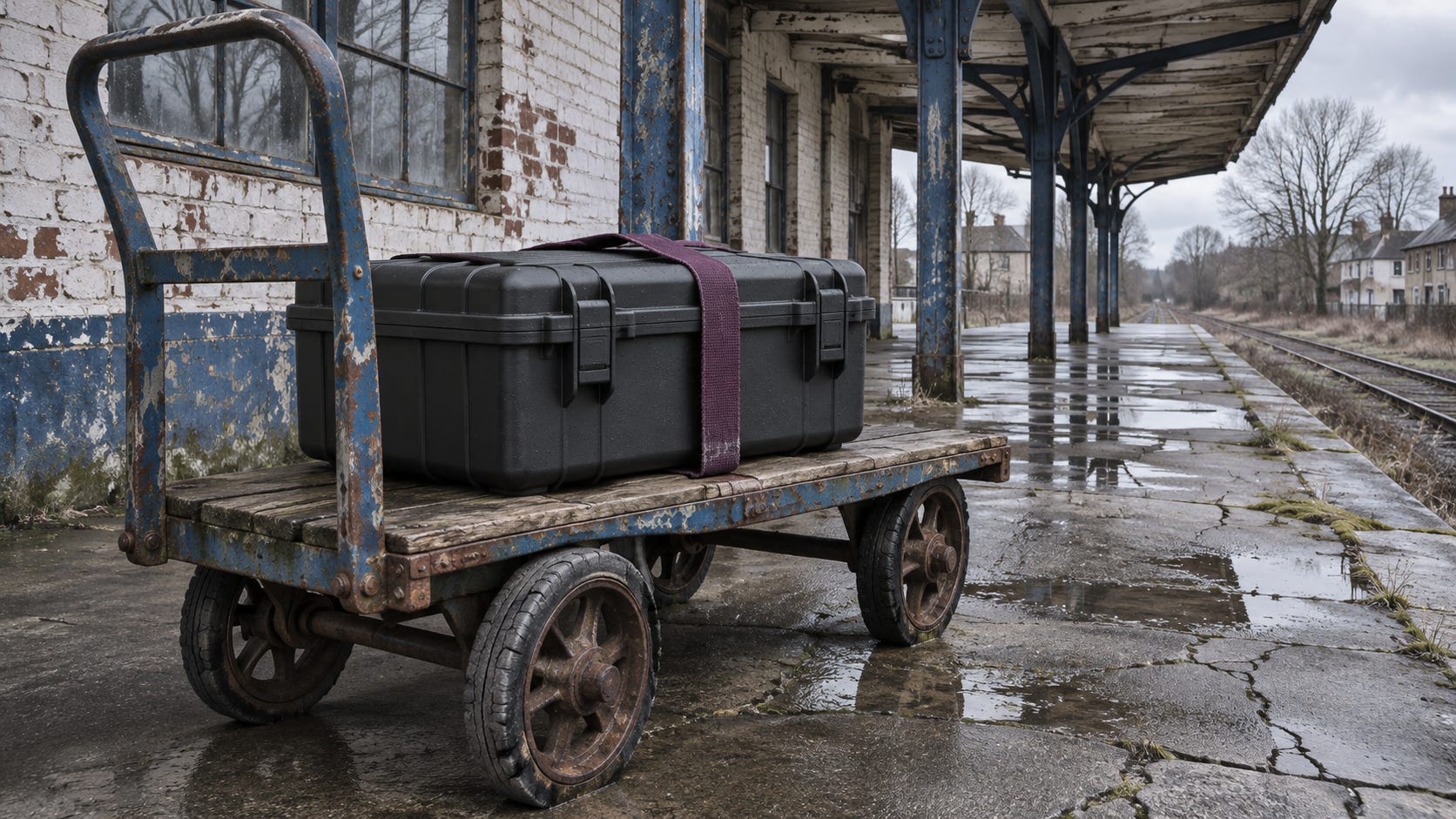
Securelist detected a new CoffeeLoader variant in the wild in August 2026 and found it being distributed by Retadup, a USB worm first discovered in 2017.
The 2017 client answered in 2026
Retadup first appeared in 2017. Its simple command protocol lets a client check a domain, decode commands, and download another payload.
Securelist’s captured traffic shows a 2017 variant still speaking that protocol in August 2026. One response told the client to sleep. A later response directed it to download an executable from infrastructure associated with the current campaign.
That matters because the useful asset was not a sophisticated new implant. It was compatibility with an old client and its old address book.
Securelist could not determine whether Retadup’s original author or a different operator revived the domains. The protocol gives anyone who controls the expected command address a straightforward way to issue instructions.
Old command domains reopened the route
The French National Gendarmerie says Avast alerted French authorities to Retadup infrastructure in France in 2019. The Paris prosecutor referred the case to the C3N, which replaced the criminal server with a disinfection server.
Avast reported that connected copies removed themselves when they reached the replacement server. U.S.-hosted infrastructure was also taken down. Within weeks, more than 850,000 machines had been disinfected.
Securelist says somebody started re-registering Retadup’s former command domains in 2024 and used them to distribute third-party malware. SmokeLoader came first. CoffeeLoader followed in early 2025.
That gap is the central durability problem. A domain can leave an operation without being retired forever; once available again, every old client that trusts it becomes a potential distribution point.

Authorities took control of Retadup’s command infrastructure in 2019 and more than 850,000 machines were disinfected. Securelist says someone began re-registering the old command-domain names in 2024.
USB propagation gave Retadup somewhere to wait
Retadup copies itself to connected USB flash drives and external drives as hidden files and Windows shortcut files. When somebody opens the shortcut on another PC, the worm can continue onto that machine.
That method gives the malware a life outside the endpoint timeline. A drive can sit in a drawer or return to a rebuilt environment months later without an active botnet preserving it.
Securelist captured a 2017 variant in 2026, but the report does not reconstruct the route that individual copy took through the intervening years. The design still explains why removable media belongs in the incident scope whenever Retadup appears.
Where shared workstations, field equipment, industrial systems, copy shops, or labs still depend on USB media, the infected drive and host are one case. Cleaning only the computer leaves the carrier ready for the next insertion.
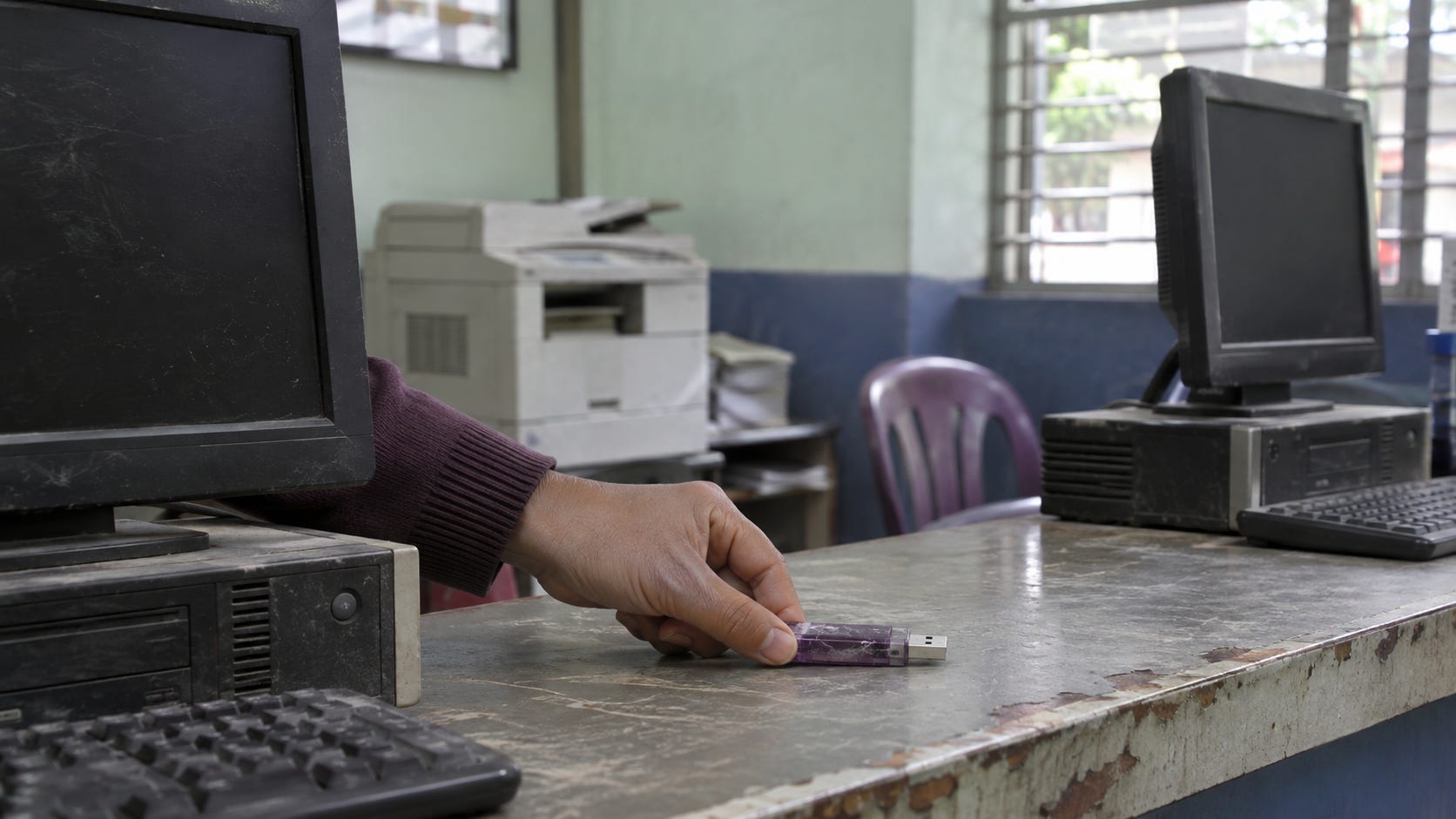
Securelist says Retadup copies itself to connected USB and external drives as hidden files and LNK shortcuts; opening the shortcut on another PC lets the worm continue onto that machine.
CoffeeLoader rebuilt the cargo
The CoffeeLoader sample Securelist found in August arrived through an NSIS installer that dropped a patched copy of the 7-Zip library and launched it through rundll32.exe. The modified library contained a new version of the Armoury packer.
Zscaler’s earlier CoffeeLoader analysis documented Armoury using OpenCL to move decryption work onto the graphics processor. The new variant uses OpenGL instead and hands execution to a separate CoffeeLoader downloader.
That downloader creates persistence under %PROGRAMDATA% or %LOCALAPPDATA% in a directory named with eight hexadecimal characters. It writes a matching Run entry, changes the related StartupApproved value, injects into a legitimate Windows process, and fetches CoffeeLoader’s main body over HTTPS.
The server signs the downloaded content, and the client verifies both the signature and a checksum before execution. CoffeeLoader can then inject a payload into a process, save and run an executable, or save and run a DLL. Its role is delivery: Retadup supplies the initial access route, while the downstream payload determines the eventual impact.
Securelist says its products blocked Retadup infection attempts on around 15,000 systems during the first three quarters of 2026, mainly in Peru, Angola, Russia, and Bolivia. That number describes Kaspersky’s observed footprint rather than worldwide prevalence, but it is enough to show that the revived route is active.
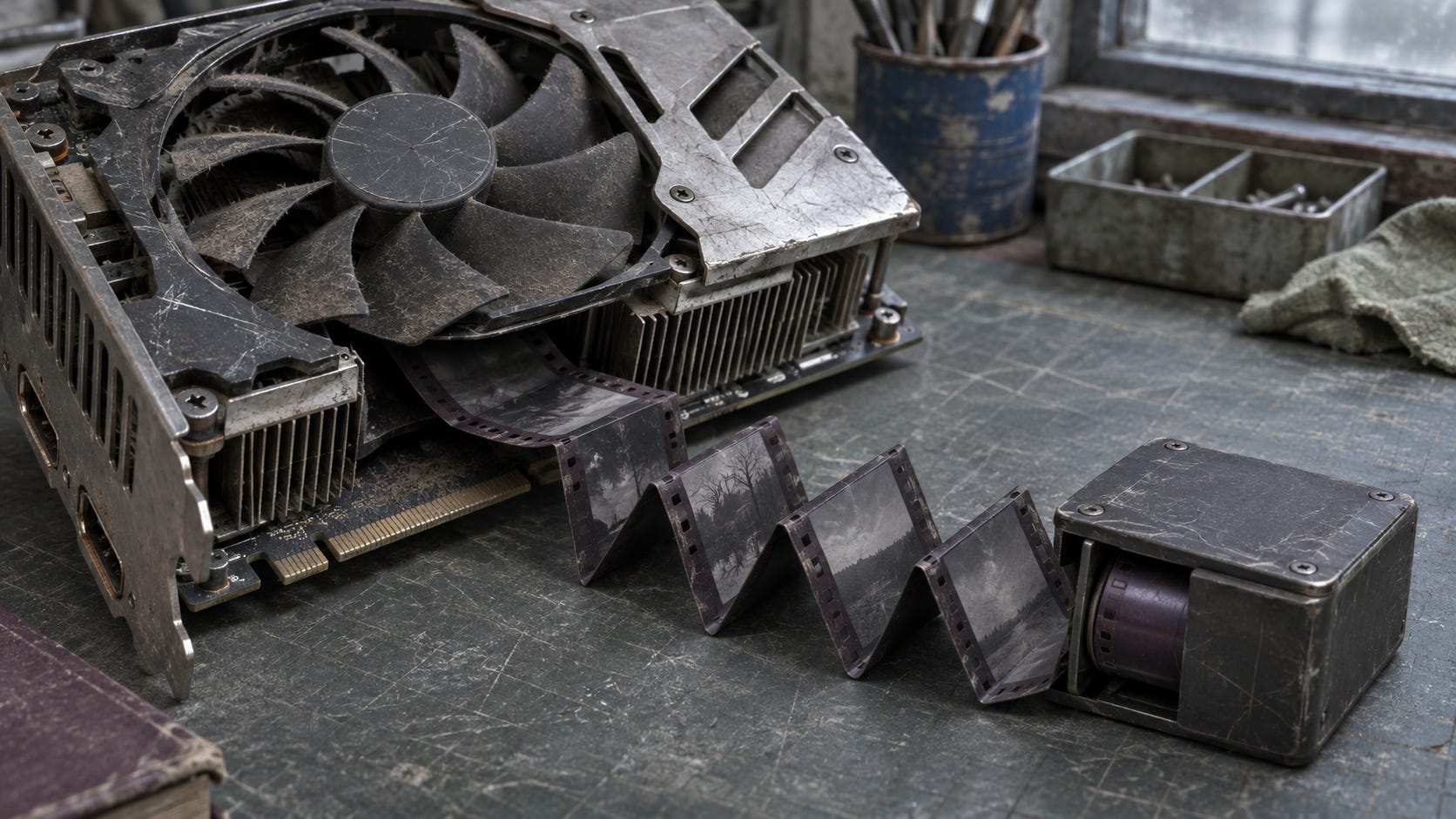
Securelist says the new Armoury variant uses OpenGL on the GPU for decryption and passes execution to an intermediate downloader that installs persistence and fetches CoffeeLoader.
Hunt the carrier before the payload rotates again
Start with Securelist’s published Retadup and CoffeeLoader domains and file hashes. A match should widen the search to removable media, startup persistence, network traffic, and every host that handled the same drive.
On USB and external drives, inspect hidden files and shortcut files together. On the endpoint, look for eight-character hexadecimal directories beneath %PROGRAMDATA% or %LOCALAPPDATA%, a same-named DLL launched by rundll32.exe, and matching Run and StartupApproved entries.
Network teams can hunt for the documented CoffeeLoader request pattern, /payload?md5=, to known infrastructure. Endpoint teams should correlate that traffic with suspicious execution inside dllhost.exe, WerFault.exe, svchost.exe, OpenWith.exe, or AtBroker.exe.
Isolate the host and its connected removable media before cleanup. Preserve enough evidence to determine which CoffeeLoader module arrived and whether it launched another payload. Then remove the Retadup carrier, the CoffeeLoader persistence, and every copy on removable drives; rebuild the machine when downstream execution cannot be bounded.
The infrastructure side needs the same memory. Old campaign domains deserve monitoring beyond the first takedown window, including registration changes, DNS resolutions, and new certificates. A dormant name can become live control infrastructure again before a forgotten client finally checks in.
The practical test of eradication is whether an old copy can still find a command. In 2026, Retadup found one.