


Socket connected 13 malicious NuGet packages to fake developer assessments and five related delivery paths. The sharpest part of the research is a Windows .NET take-home test whose malicious behavior was divided between two ordinary instructions: build the project, then run it.
One package placed the files. Another launched them when the sample application created a button control.
The candidate’s normal workflow completed the trigger sequence.
That split matters because neither component had to carry the whole chain. The build package could look incomplete without the runtime control. The control could appear harmless without the files staged during compilation. Review either half too narrowly and the relationship disappears.

Socket found one assessment in which build logic staged files and a UI control launched the copied executable.
The assessment supplied both halves
Socket traced the most recent lure to a public WinUI 3 “Home Assessment” repository created on November 4. It presented a small file-vault exercise that candidates were expected to build and test on native Windows in Visual Studio.
The repository initially carried two NuGet packages in a local Packages folder. Its project file added that folder through RestoreAdditionalProjectSources, allowing the solution to restore packages shipped inside the assessment itself.
The first package, VS_Builder.MSBuildAnalyzer, included an MSBuild target that ran a bundled DLL after each build. Socket found that the DLL downloaded OskSupport.dll into %LOCALAPPDATA%\osk\ and copied the legitimate Windows On-Screen Keyboard executable beside it.
The second package supplied the FileButton control used by the sample interface. When the application created that control, it started the copied osk.exe. That file-and-launch arrangement matched a documented DLL side-loading pattern involving osk.exe and osksupport.dll.
Socket did not test whether the side-load still succeeds on current Windows builds. The repository still establishes the staging and launch logic that a candidate would invoke by following the assignment.
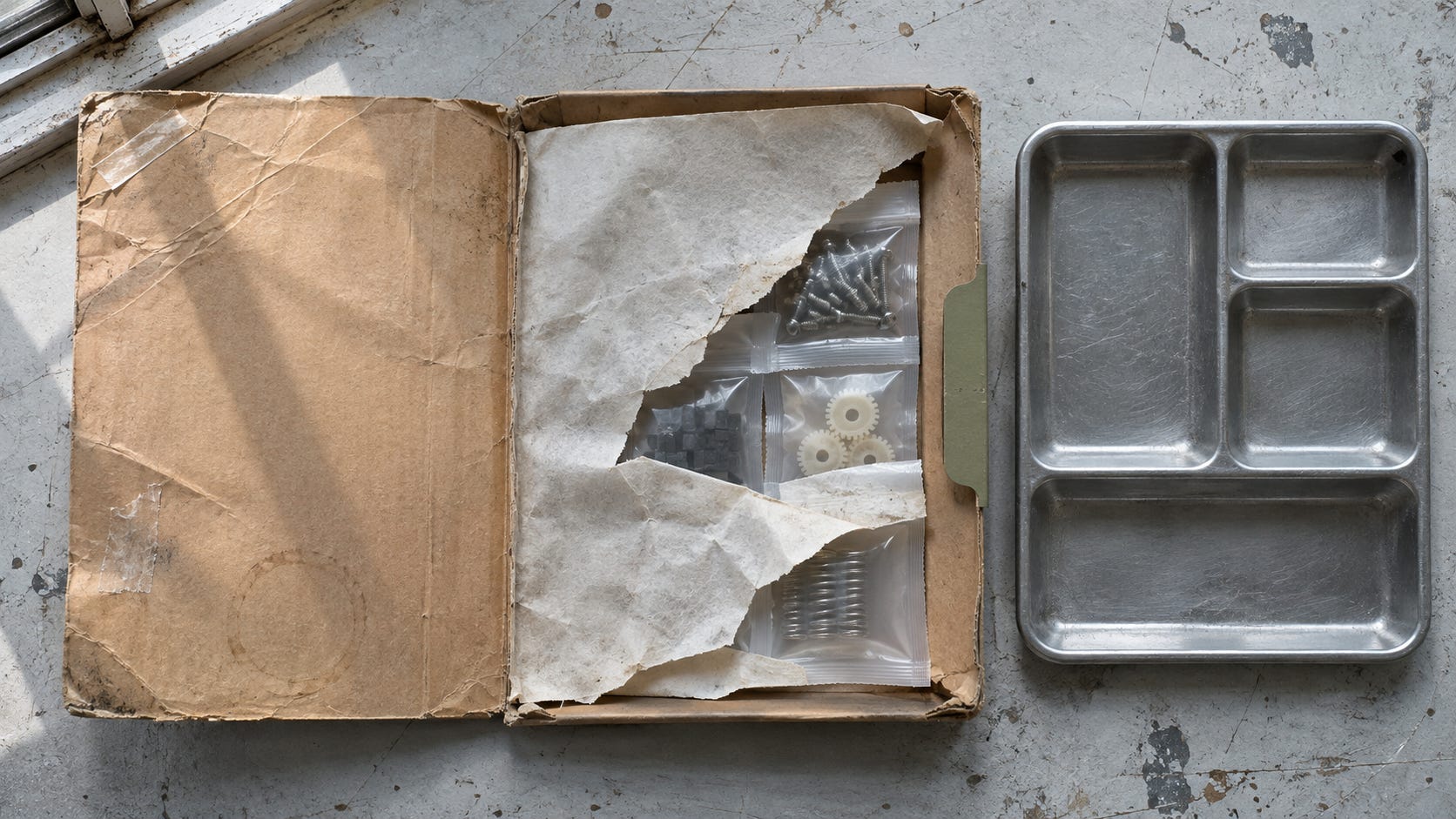
The assessment initially restored two bundled NuGet packages from a local folder inside the repository.
Takedown did not end the lure
NuGet removed the original VS_Builder packages on November 2. Its public removal log classifies VS_Builder.MSBuildAnalyzer, VS_Builder.WinUI3Controls and an associated package, Web3TotalButton, as malware.
The assessment adapted.
Socket found that its first two commits retained bundled copies of the deleted packages. Later commits moved the project to replacements published through a different NuGet account. One republished analyzer initially kept a mismatched target filename that would not load under its new package ID; a corrected version appeared 26 minutes later, and the lure switched to it 12 minutes after that.
A registry takedown could remove the listing while the repository kept the package. A project can carry its own feed, pin a replacement, or preserve a deleted artifact in commit history.
The project also set DisableFastUpToDateCheck to true in an early version. Microsoft documents that this property makes Visual Studio bypass its faster up-to-date check and use MSBuild to decide whether the project must rebuild. In this assessment, that put the imported build target back on the critical path.
A button became an execution surface
Socket grouped the packages and repositories into five linked paths, each with its own trigger.
In a separate package, WinUI.Button 1.0.0, the researchers found a working WinUI calculator control with a constructor that started a background routine. Creating the control was enough to request an executable through the GitHub API, save it as %TEMP%\Launcher.exe, and run it. Socket reported that this package remained listed at publication time; NuGet had removed the other 12 packages in the set.
Elsewhere, two repositories presented Windows executables under the filename lib/env/axios.csproj. Their histories held several payloads, including a loader that used a GitHub repository as command and control and two builds of a Chrome profile stealer.
Those stealer builds collected Chrome profile directories and related top-level browser files, compressed them, and uploaded the parts through GitHub’s contents API. Socket noted that the script may skip Chrome’s default profile and that its shadow-copy step would normally require administrator rights.
The evidence still reaches the identity layer. Browser profile material can include saved logins, cookies, history and extension data. On a developer workstation, that can place personal browsing state beside GitHub, package-registry and cloud access.

Socket recovered Chrome profile-stealer builds that compressed browser profile material and uploaded archive parts through GitHub.
The first control sits before compilation
The most useful defender signal appears before malware execution: an unfamiliar project asks a developer to trust its dependency and build configuration.
For a take-home repository, inspect RestoreAdditionalProjectSources, NuGet.config, committed .nupkg files and package references before opening the solution in a normal development environment. Review packages that ship build/*.targets or buildTransitive/*.targets, especially targets containing execution steps.
The host-level signals are equally concrete. Socket recommends looking for OskSupport.dll under %LOCALAPPDATA%\osk\, osk.exe running outside its normal Windows directory, %TEMP%\Launcher.exe, dotnet.exe launched by MSBuild with a DLL inside a package directory, and PowerShell creating a volume shadow copy from a user session.
Network defenders can also look for the GitHub API patterns Socket documented, including the unusual MyUpdater user agent, specific commit-message patterns, and Telegram Bot API traffic from developer workstations or build hosts.
If those artifacts appear, isolate and rebuild the machine before rotating browser-saved passwords, session cookies and developer tokens from a clean device. The order matters: replacing access while the same workstation remains suspect gives the collection path another chance.
Take-home code needs a disposable home
Organizations routinely ask candidates to clone, restore, build and run unfamiliar code. That makes the assessment process a ready-made execution ritual, especially when the candidate is working quickly and wants to appear cooperative.
The operational answer is simple: issue verifiable assessment repositories and run external take-home projects inside disposable environments with no personal browser profile, production credentials, cloud tokens or package-publishing access.
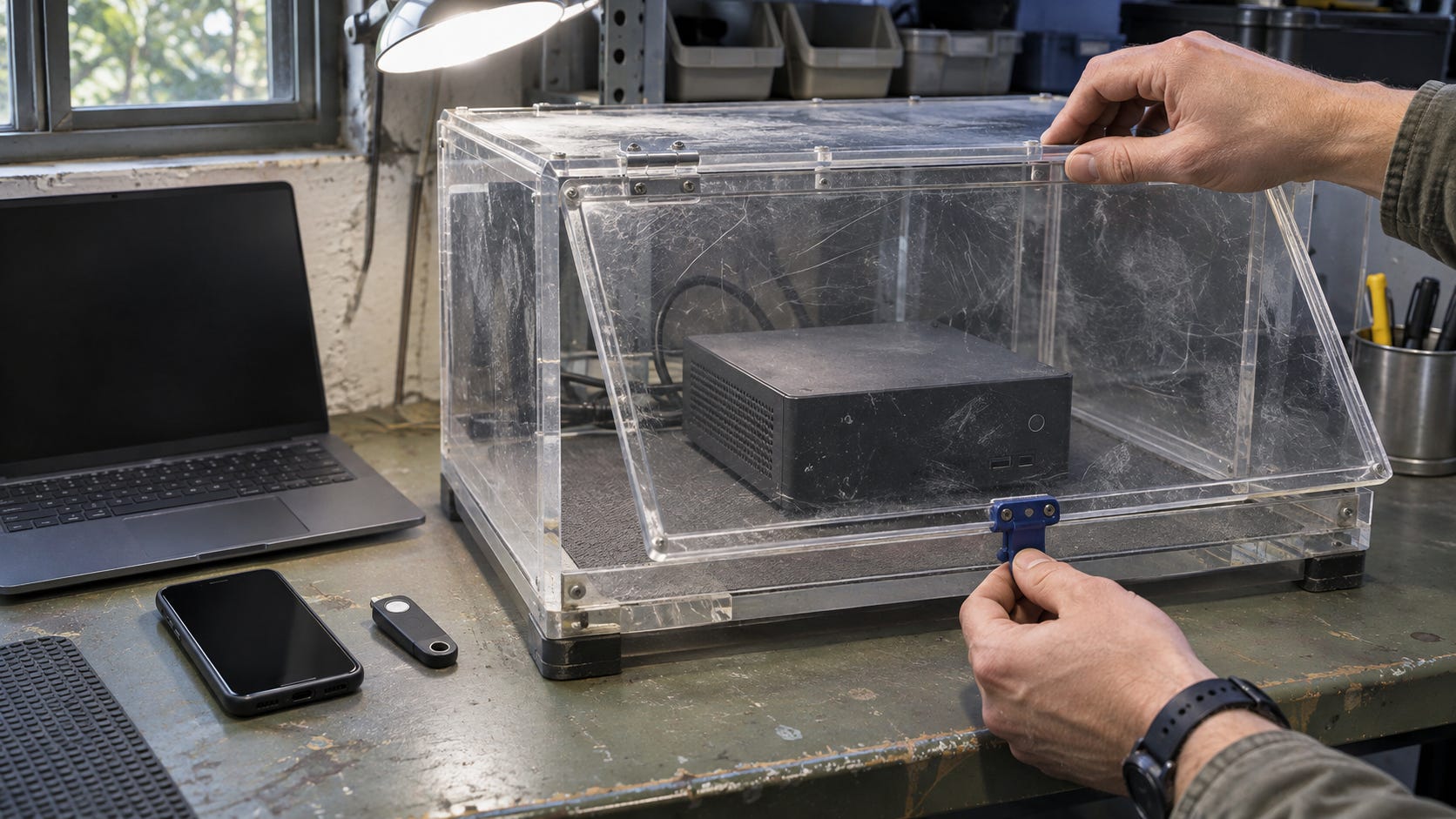
Socket recommends building untrusted assessments in disposable environments without access to developer credentials.
This campaign used package controls, build targets and familiar developer tools as separate pieces. Defenders should separate them too—repository provenance, build behavior, runtime behavior and identity exposure—then test how those pieces connect before a candidate presses Build.