


CISA has added CVE-2025-62593, a code-injection flaw in the Ray distributed-computing framework, to its Known Exploited Vulnerabilities catalog. The agency says the addition is based on evidence of active exploitation, and the catalog lists August 20 as the due date. For federal civilian agencies, the applicable remediation timing is risk-based under BOD 26-04 and depends on the affected asset's exposure and classification.
The vulnerable software is not the only important part of that warning. The path begins in an ordinary browser and can end inside a local development service or a private network.
Ray's upstream security advisory, GHSA-q279-jhrf-cc6v, describes a browser-mediated attack against versions earlier than 2.52.0. A malicious web origin can abuse DNS rebinding so that a browser reaches a Ray service the attacker could not contact directly. If that service trusts its network position and lacks an effective authentication boundary, the browser becomes an intermediary for code execution.
A service is not isolated merely because the attacker cannot route to it directly. If a user's browser can reach both the public web and the service, the browser belongs in the threat model.
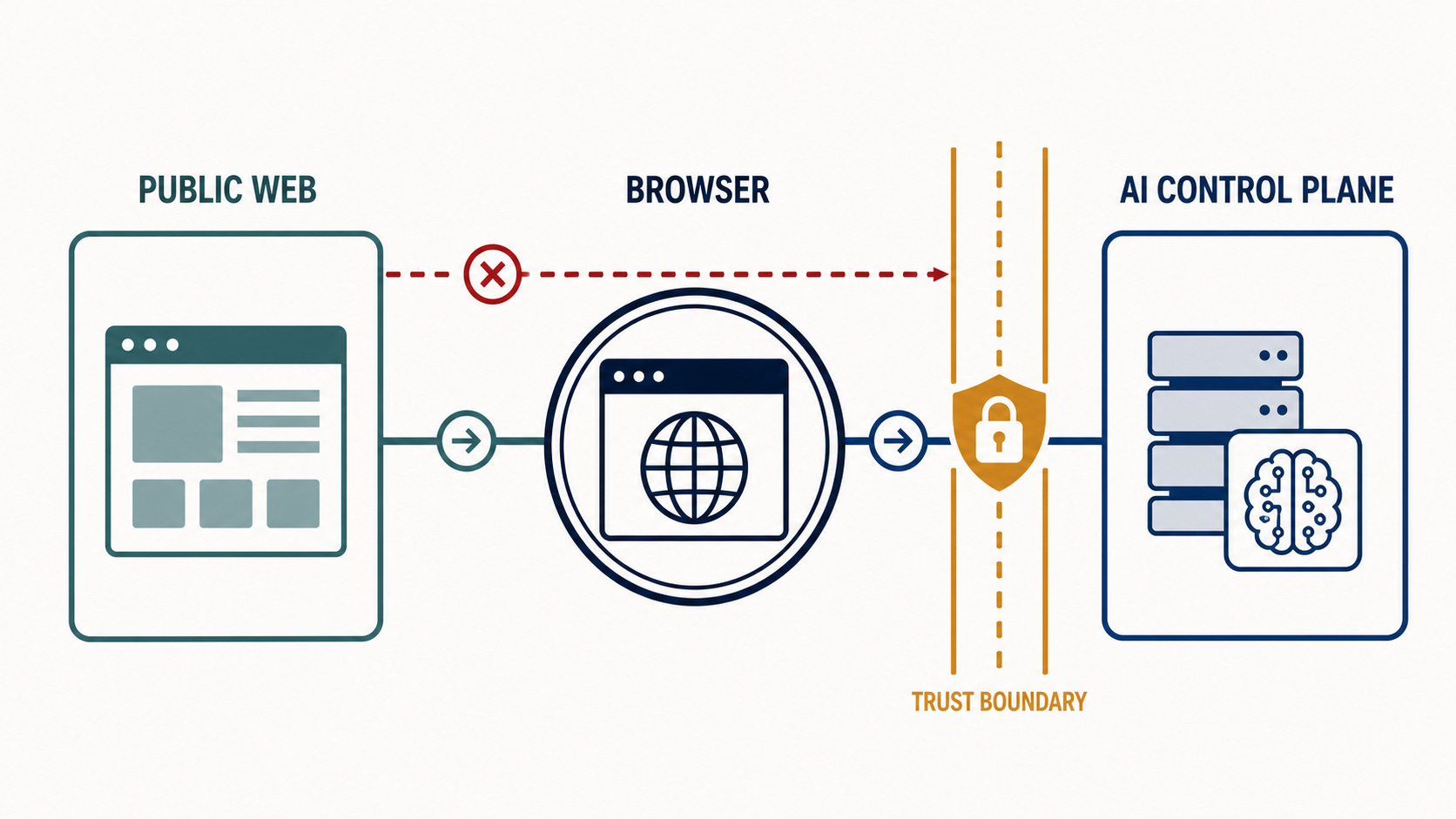
The exposed boundary is indirect: public origin to browser, browser to trusted service, trusted service to compute execution.
CISA changed the evidence, not the bug
The upstream advisory was published in November 2025, and the NVD record identifies Ray 2.52.0 as the patched version. The vulnerability is not new. The evidence about its use is.
CISA's August 17 catalog release now classifies it as known to be exploited. The catalog sets an August 20 due date and lists known ransomware use as unknown. That is a narrow but consequential evidence change: a critical browser-to-control-plane path has moved from a disclosed possibility to observed exploitation.
CISA's notice stops there. The agency does not name an actor, identify victims, describe a campaign, publish a successful-compromise count, or say how the exploitation was observed. Known exploitation is not the same as known scale. It justifies urgent action without inventing a story the evidence does not support.
“Private” stopped meaning unreachable
Network teams often draw a clean line between internet-facing applications and services available only on a developer machine or internal subnet. DNS rebinding attacks challenge that diagram.
At a high level, an attacker-controlled web origin changes where the browser believes that origin lives. The browser, already trusted to make requests from inside the user's environment, can then direct traffic toward a local or network-adjacent service. The attacker has not gained ordinary network reachability; the browser carries the interaction across the boundary.
That makes this a confused-deputy problem. The browser can legitimately reach both sides. The service accepts traffic because it appears to arrive from a permitted network position. The missing control is a reliable decision about who is authorized to invoke the service's most consequential functions.
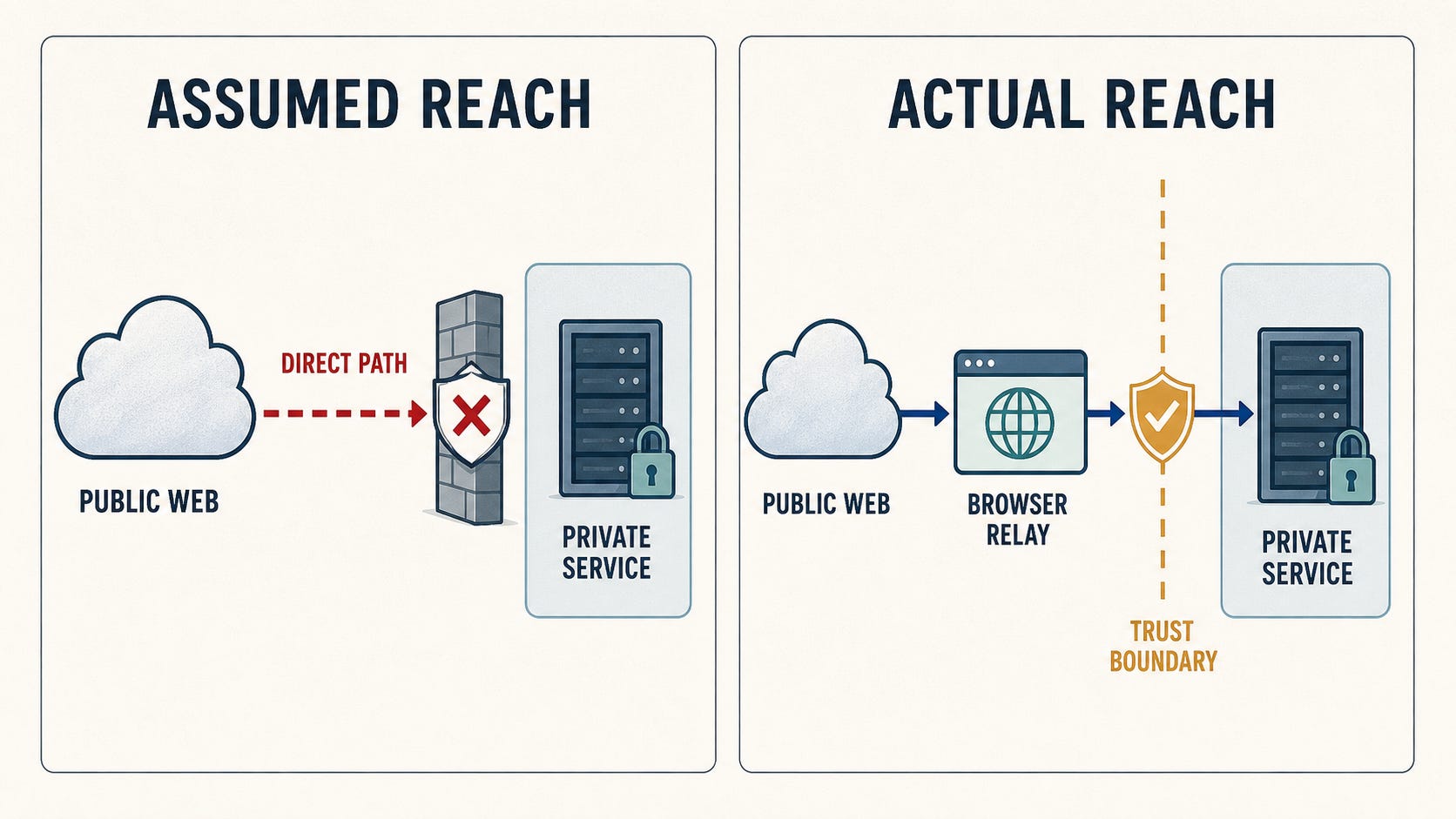
The perimeter view says “not internet-facing.” The execution path asks whether a browser inside the perimeter can still reach it.
AI control planes deserve production-grade boundaries
Ray coordinates distributed jobs and compute resources. In a development environment, its control interfaces may sit beside source code, model artifacts, cloud credentials, datasets, or access to larger clusters. Those surrounding assets are not confirmed impacts of the publicly documented exploitation; they are the reason code execution under a developer or service identity carries a serious blast radius.
The recurring design mistake is to treat an internal control service as harmless because it was built for trusted operators. That assumption becomes fragile when the service is reachable from a general-purpose browser, when authentication is optional or absent, or when development and production identities overlap.
Control planes should authenticate intent, not infer trust from location. Network placement remains useful, but it cannot be the only proof that a request is authorized.
This standard should extend beyond Ray. Notebook servers, model gateways, experiment trackers, orchestration consoles, package registries, and internal agent tools often begin as convenient developer services. Once they can schedule work, load artifacts, reach secrets, or modify infrastructure, they are security-sensitive control planes whether or not anyone calls them production.
Patch the software. Rebuild the boundary.
The immediate action is straightforward: find Ray deployments below 2.52.0 and move them to a supported fixed release. Do not limit the inventory to production clusters. Developer laptops, shared workstations, CI runners, test hosts, lab systems, and dormant images all matter because the vulnerable path is browser-adjacent.
Then verify the surrounding boundary:
restrict control interfaces to the smallest necessary set of hosts and identities;
remove unintended public or broad internal exposure;
enable supported authentication and confirm that it is actually enforced;
separate developer browsing from highly privileged compute administration where practical; and
reduce the credentials, datasets, and infrastructure permissions available to the service identity.
The upstream advisory notes that 2.52.0 introduced an optional token-authentication capability that was disabled by default at the time. That is a reminder to test configuration, not merely version strings. A patched binary with a broadly reachable, unauthenticated control plane can still leave dangerous assumptions in place.
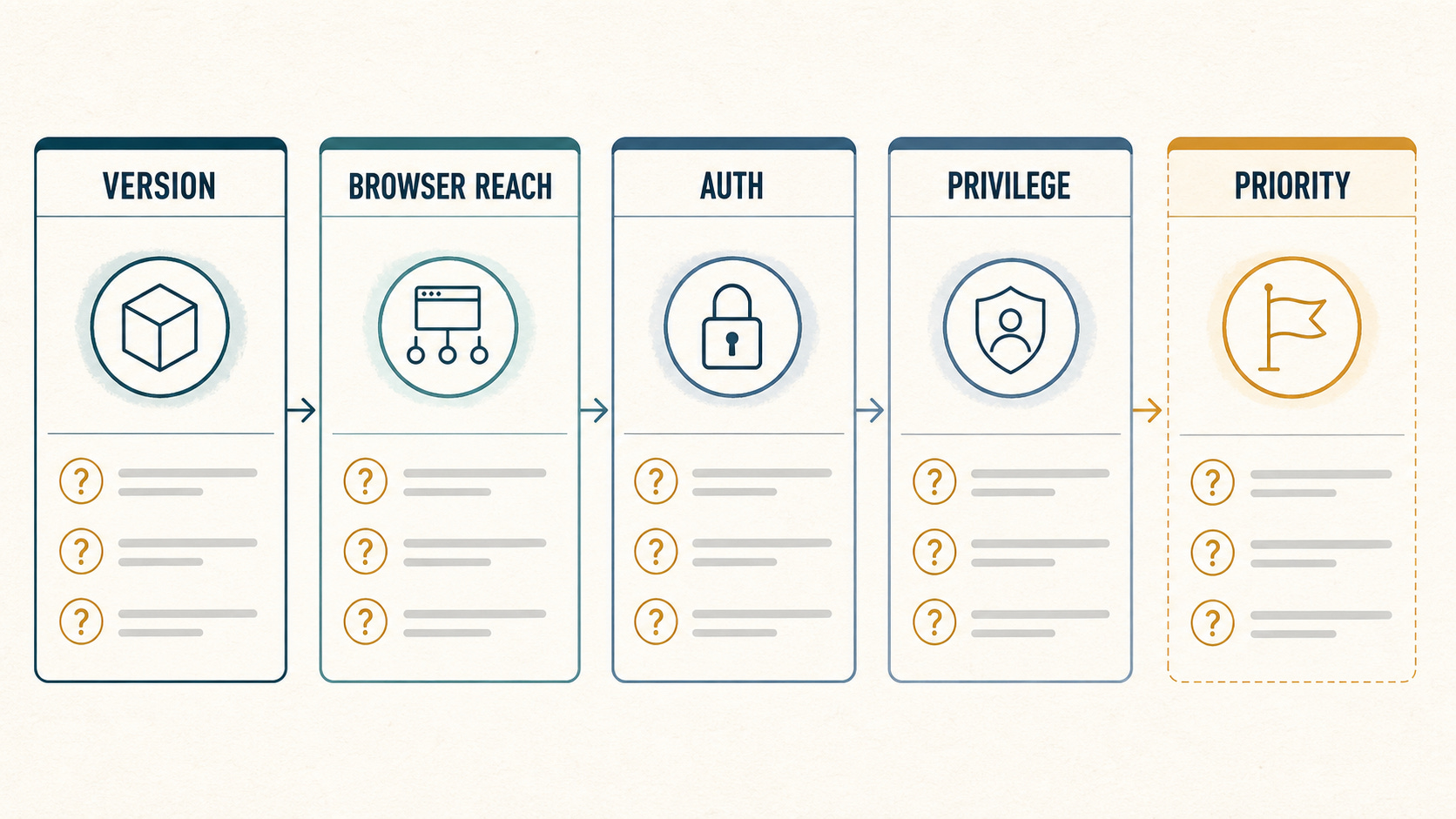
Prioritize the systems where vulnerable software, browser reach, weak authentication, and high privilege intersect.
Hunt for use, not just exposure
An upgrade closes the documented vulnerability. It does not determine whether an older instance was used before remediation.
For every affected or uncertain system, preserve relevant evidence without delaying containment. Review control-service and job history, process creation, child processes, service changes, persistence, unusual outbound connections, and activity under the Ray service identity. Correlate suspicious events with browser activity on the same host or with users who could reach the service from their workstations.
There is no public CISA campaign profile or authoritative indicator set for this entry. That means teams should avoid both extremes: do not declare compromise from version exposure alone, and do not treat the absence of a published indicator as proof of safety. Scope the review around the actual service, identity, host, and time window.
For federal teams, the catalog's August 20 date is not automatically a blanket deadline: BOD 26-04 ties required timing to the affected asset's exposure and risk classification. Other organizations should use the same evidence to set priority according to exposure and impact, even though the federal directive does not govern them.
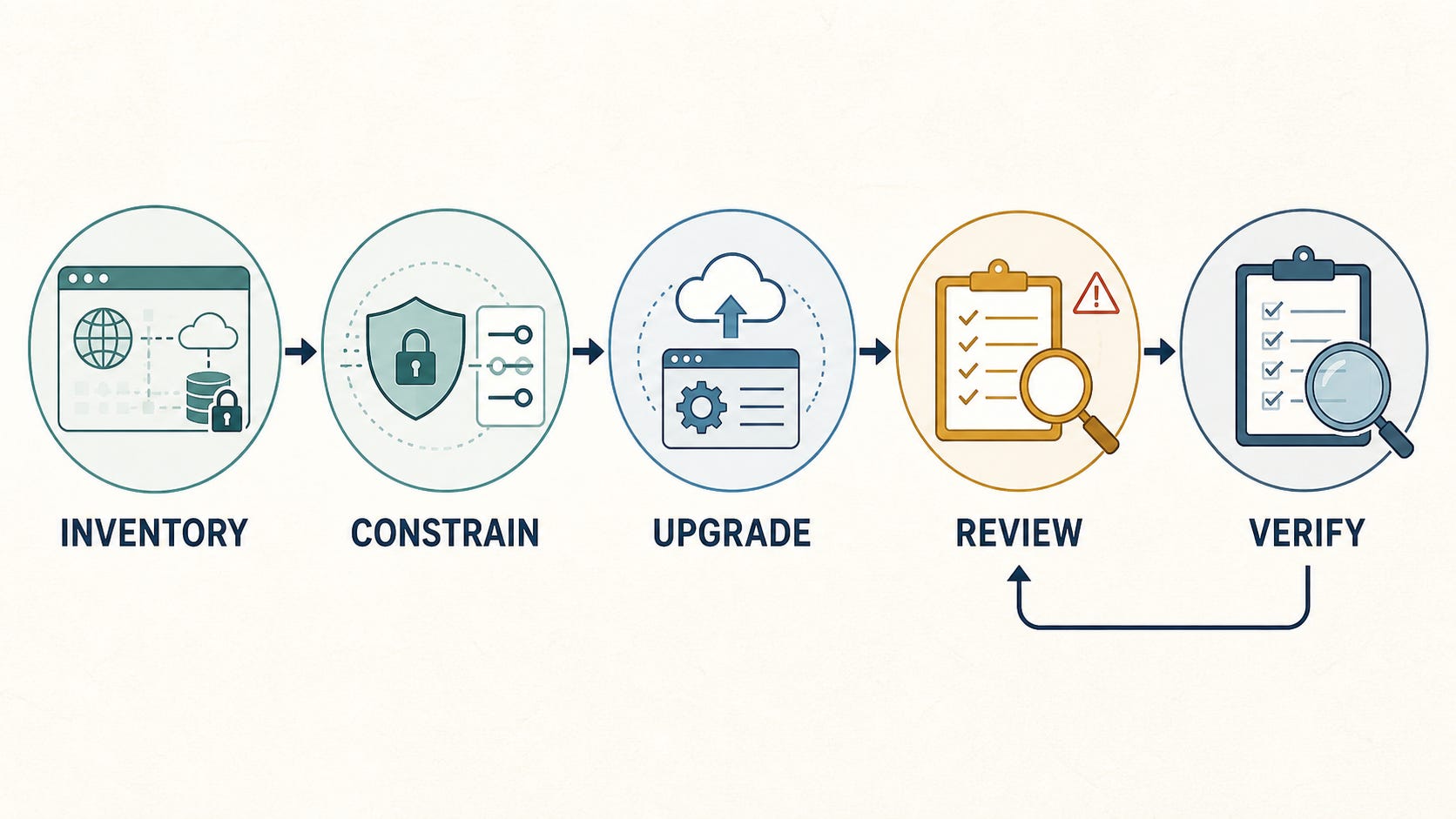
Closure requires more than installing a fixed version: inventory the path, constrain reach, review evidence, and verify the resulting control state.
Make the browser part of the model
CVE-2025-62593 is a Ray vulnerability, but its reach depends on a relationship among three components: a hostile web origin, a browser with access to the user's environment, and a control service that trusts that environment too broadly.
That relationship is increasingly common. Modern engineering workstations sit at the intersection of public web content, private cloud consoles, local development servers, AI tooling, and powerful credentials. Security architecture that models each component in isolation can miss the path between them.
The durable control is to assume that browsers can bridge trust zones, then make sensitive services authenticate every consequential request. Patch the known flaw. Constrain the network path. Reduce the service identity. Review the evidence.
A private address is a routing fact, not an authorization decision.
Sources
CISA: CISA Adds One Known Exploited Vulnerability to Catalog
CISA: BOD 26-04, Prioritizing Security Updates Based on Risk
Ray Project security advisory GHSA-q279-jhrf-cc6v