


Talos found in-wild Windows implants and active infrastructure combining browser theft, surveillance, internal pivoting, operator-directed AI calls and screen-lock extortion.
Cisco Talos analyzed a Go-based Windows implant that can collect browser data, wallet material, Wi-Fi passwords and live keystrokes, then return the results through the same control session that supports hidden desktop access, proxying and lateral movement.
The stealer is one command set inside a broader operator workspace. Collection, remote control and visible extortion can remain close together while the endpoint is online.
For defenders, the response window begins at execution—not when a credential later appears in a fraud alert. A host producing a stealer detection may still be an interactive access point and an internal relay.

Talos documented an implant whose command surface combines credential collection, surveillance, remote control, lateral movement and an operator-directed AI request handler. Concept art by CodeAIntel.
The samples and server establish an operating framework
Talos found multiple NIK C2 implant versions in the wild. The researchers also observed active infrastructure whose certificate name matched strings embedded in the malware. That convergence supported a moderate-confidence assessment that NIK C2 was functional rather than a proof of concept.
The implant exposes more than 52 commands. It uses a persistent WebSocket connection over TLS and maintains an independent HTTP polling path. Both carry encrypted command results, giving the operator a second route when the primary channel is unavailable.
The public evidence starts after code execution. Talos did not identify a delivery campaign, a named victim or the operator behind the framework. It also did not report verified credential replay, account access, an organizational breach or a successful extortion event. What it did establish is a working collection and control architecture tied to observed samples and matching infrastructure.
That architecture changes how a stealer alert should be triaged.
The artifact list maps the access radius
NIK C2 targets the stores that let users and applications move through digital systems with minimal friction.
Talos found routines for Chromium and Firefox login databases, cookies, autofill data, bookmarks and profile files. The implant also seeks Discord tokens, saved Wi-Fi credentials, desktop and browser-extension wallet material, and files whose names suggest recovery phrases, private keys or other secrets. Its keylogger can stream individual keystrokes to the operator panel while retaining a bounded buffer for later retrieval.
For Chromium-based browsers, the code stages database files with the local state material needed to unwrap the browser key through Windows DPAPI. It can attempt decryption on the host or send the encrypted databases for later processing. That makes browser-database access, DPAPI use and unusual archive creation part of the same behavioral story.

The analyzed stealer modules target browser databases, saved passwords, cookies, profiles, messaging tokens, Wi-Fi credentials and wallet material, according to Talos. Concept art by CodeAIntel.
A collected artifact still has a server-side state. A password may have changed; a cookie may be expired or revoked; a token may carry limited privileges. Identity logs, session records and administrative actions determine whether exposed material became usable access. Containment should proceed while that validation is underway.
Two return paths keep the session moving
Completed collection results are wrapped, encrypted and returned over the live WebSocket channel. If that connection is unavailable, the implant can use HTTP instead. The same C2 architecture carries screenshots, command output, files and proxy traffic.
A defender who blocks one visible route without isolating the endpoint may leave the alternate path, persistence or remote-control functions intact.

Talos found a persistent WebSocket channel with an HTTP fallback for command results and collected data. Concept art by CodeAIntel.
The host can also become infrastructure for the operator. Talos documented hidden virtual desktop control, screen and audio capture, clipboard monitoring, RDP interaction, an embedded proxy and reverse tunnels. Those functions can support internal access without requiring a separate implant for every step.
The AI command is operator-directed
NIK C2 contains a handler that can send an operator-supplied prompt to OpenAI’s Chat Completions API from the infected machine. The operator supplies the prompt and may choose the model and API key. If no key is supplied, the code checks the host’s OpenAI API key environment variable.
The response is parsed locally and sent back through C2. The operator supplies the prompt and may choose the model and API key, keeping the client inside a human-directed command path. Its advantage is proximity: harvested material, a model request and the next operator command can share one active session and one endpoint identity.
If a configured host key exists, the fallback creates an additional exposure and accounting question. Talos described the code path; the report did not establish that a victim key was present, used successfully or billed.
Remote control can end in a screen lock
The same implant includes a configurable extortion module. Talos found code that builds an HTML payment screen, adds logon persistence and repeatedly relaunches the window. The module locks the interface; it does not encrypt the user’s files.
NIK C2 also surveys the boot environment and stages a placeholder file for a possible bootkit. The analyzed component is preparation logic, not a functioning deployed bootkit. Keeping those capabilities separate matters because the evidence supports a screen-lock path today while the bootkit path remains incomplete.
Isolate the session and invalidate each artifact
A NIK C2 investigation should run as linked host, identity and network workstreams.
On the endpoint, isolate the system and preserve volatile evidence where practical. Hunt for process masquerading, persistence, browser-database and DPAPI access, keylogging or screen-capture behavior, unexpected WebSocket activity, rapid HTTP polling and archive creation. Talos published public indicators, but behavior matters because infrastructure and builds can change.
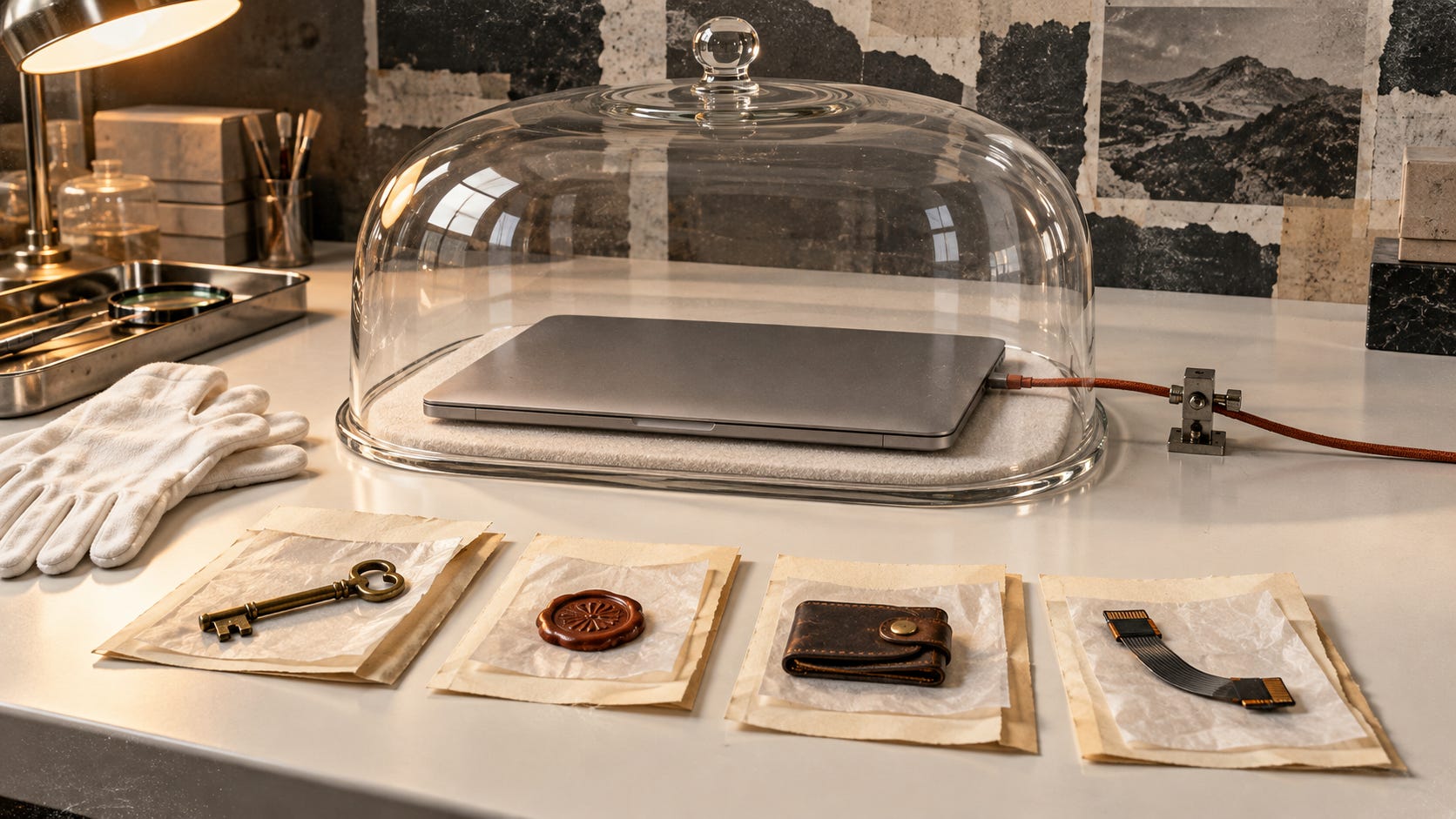
The response has to stop the live control session, preserve host evidence and review each exposed identity artifact through its own revocation path. Concept art by CodeAIntel.
Across identity systems, revoke active sessions and rotate credentials or API keys that were accessible from the host. Review sign-ins, token use and administrative changes from the suspected execution window forward. Browser cookies, messaging tokens, Wi-Fi secrets and wallet material have different recovery paths; one password reset cannot close all of them.
Then test the endpoint’s network role. Proxy traffic, RDP activity, new tunnels and access to internal services can show whether it became a relay. A clean account review cannot clear a host that still offers interactive control, and host isolation cannot invalidate artifacts already collected.
My assessment is direct: infostealer response now has to assume the operator may still be inside the loop. Containment, identity invalidation and lateral-movement review should begin together.
— Tom