

The AI Security Gap Is an Operating Model Problem
Cheap models may widen access, but operational depth will decide who gets durable security outcomes.

Cheap models may widen access, but operational depth will decide who gets durable security outcomes.
At Amazon Web Services, the handoff from a red-team finding to a new detection can now take roughly 15 minutes, with the outside case closer to four hours, according to AWS security chief Steve Schmidt. He told CSO that the same work once moved through a two-to-ten-month cycle of testing, reporting, refinement, and defensive engineering.
That compression is striking. It is also easy to misread.
AWS is not dropping a chatbot into an overloaded queue and asking it to make the backlog disappear. The company has models working across discovery, validation, and defensive development; protected corporate data close to the systems using it; engineers who judge the output; and feedback loops for validating and refining results.
The emerging AI security gap is less about who can call a model than who can make its output safe, repeatable, and operational.
The Shortcut Is Built on Deep Infrastructure
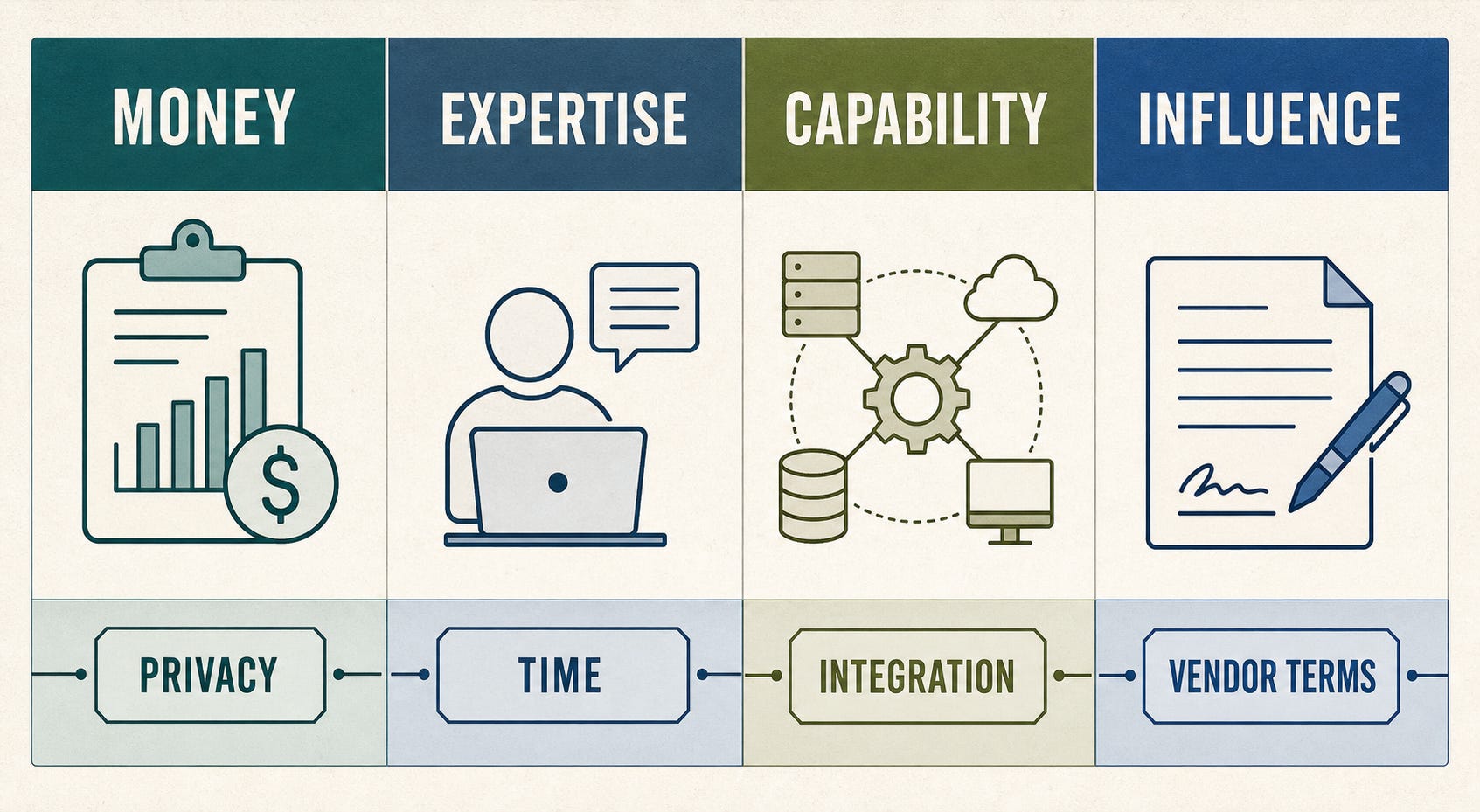
CSO's account of the AWS workflow describes multiple models doing different jobs. One may identify a vulnerability. Others can test the finding or help build a defense. Humans remain accountable for deciding whether the result is reasonable and appropriate.
That is not a detached AI assistant. It is a security engineering pipeline.
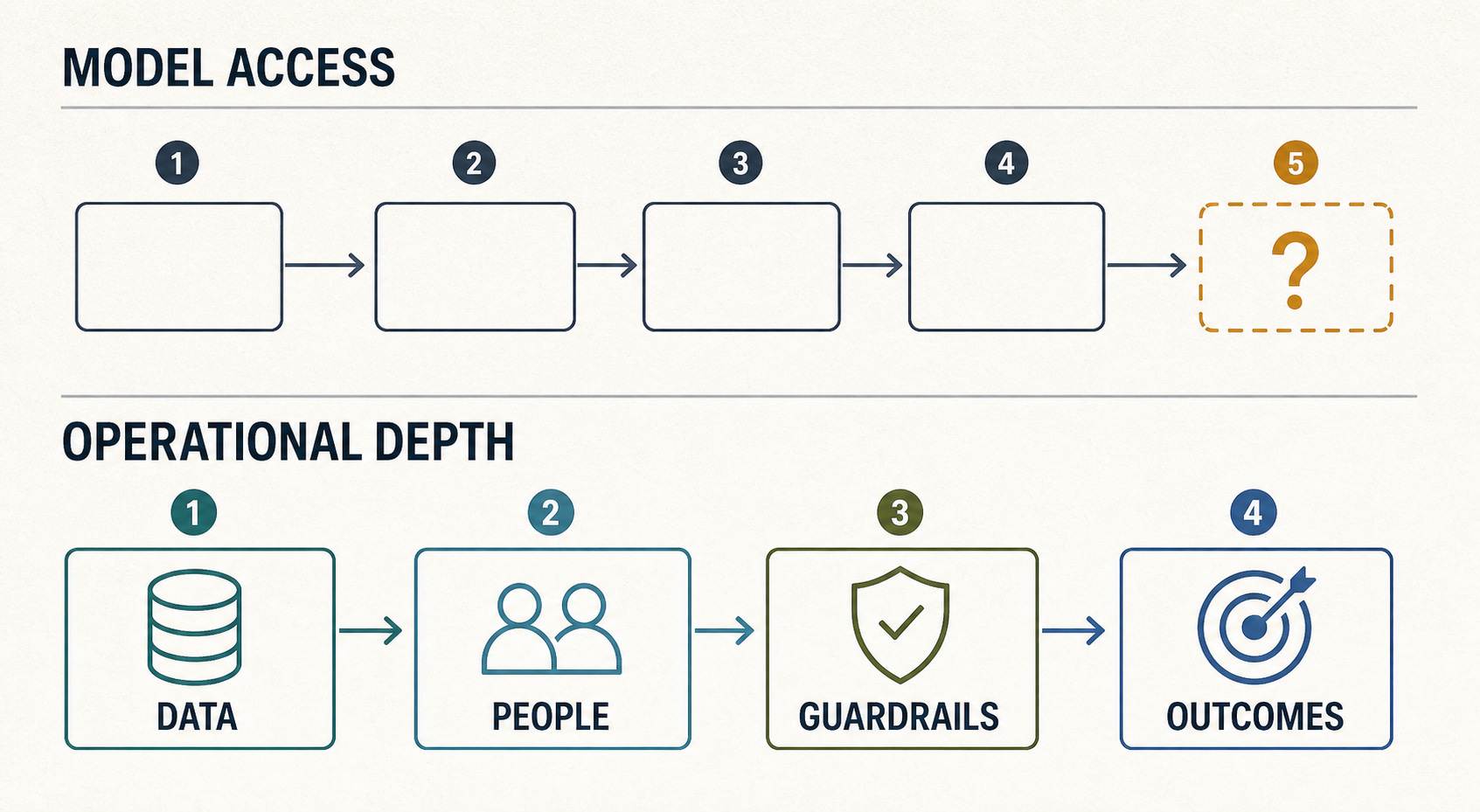
Model capability is only one layer. Under it sit access controls, usable telemetry, trusted internal data, validation logic, logging, deployment paths, and people who understand both the system and the risk. Around it sits the ability to measure failure, correct the process, and preserve accountability.
A subscription can provide model access. It does not provide the operating system around the model.
Buying the same model does not reproduce the same security capability. A team without clean evidence, a protected data plane, or reviewers with time to challenge the output may simply produce answers faster than it can verify them.
The Security Poverty Line Now Has a Token Meter
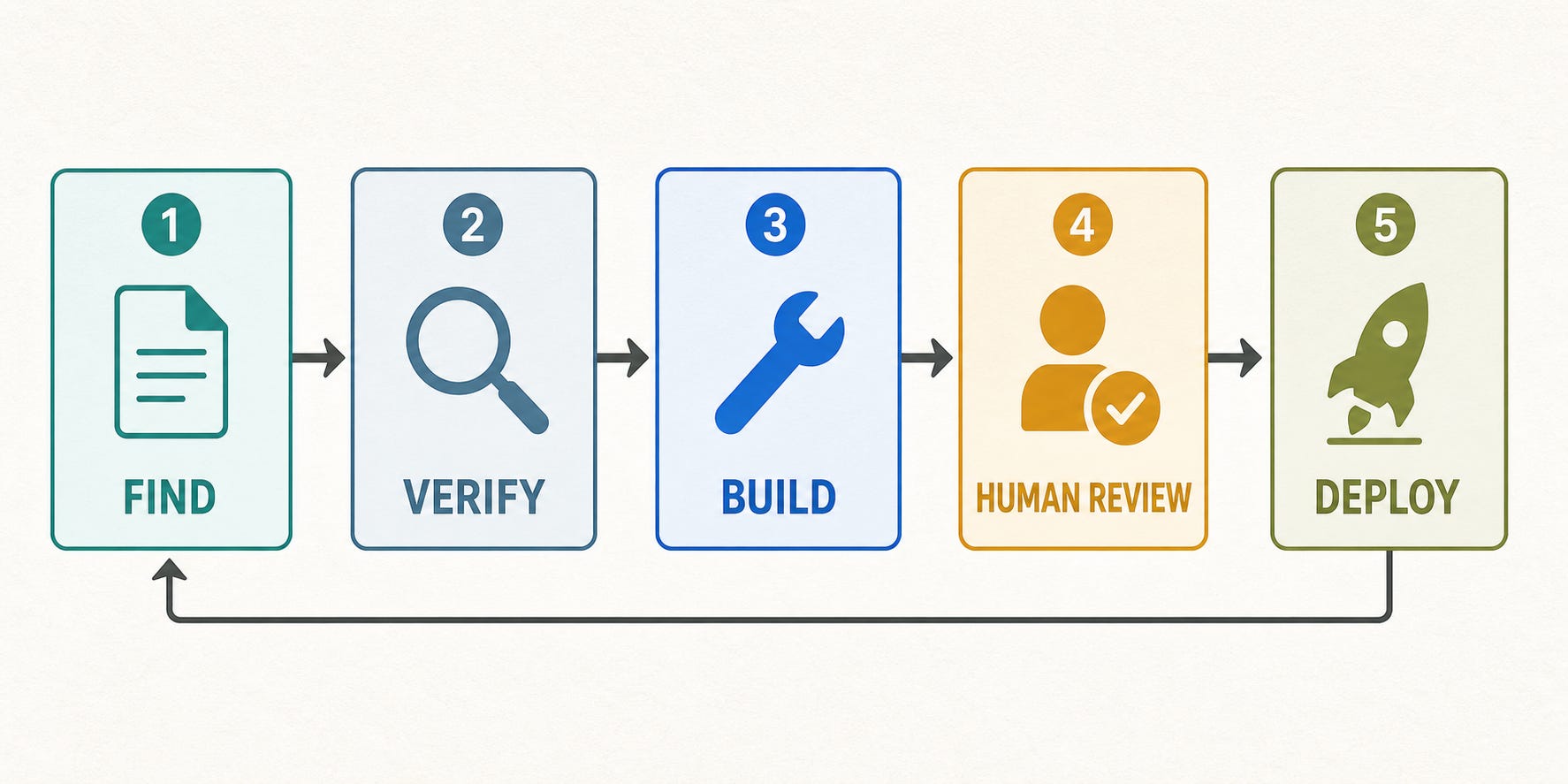
The resource divide predates generative AI. Security strategist Wendy Nather framed the "security poverty line" around four constraints: money, expertise, capability, and influence. CSO's interviews suggest AI is adding pressure to each one rather than replacing them.
Privacy is one example. Nather told CSO that organizations unable to afford enterprise licensing may have to accept weaker privacy terms. Usage pricing adds another uncertainty: a small team may not know how many tokens a workflow will consume or how a provider's pricing will change.
Time is just as important. Matt Warner of Blumira pointed to a county with two IT staff supporting 2,000 employees. A tool may eventually save that team hours, but learning it, integrating it, governing it, and checking its output still demand capacity up front.
For a team already putting out fires, adoption work is part of the cost. Weeks spent integrating a tool that promises future efficiency do not create spare capacity in the present.
Falling Model Prices Will Not Close an Integration Gap
There is a credible case that the raw access gap will shrink. CSO's sources pointed to open-weight models, quantization, mixture-of-experts designs, cheaper systems, and increasingly capable commodity hardware. A second-tier model a year from now may perform work that requires a frontier model today.
That matters, but access parity is not outcome parity.
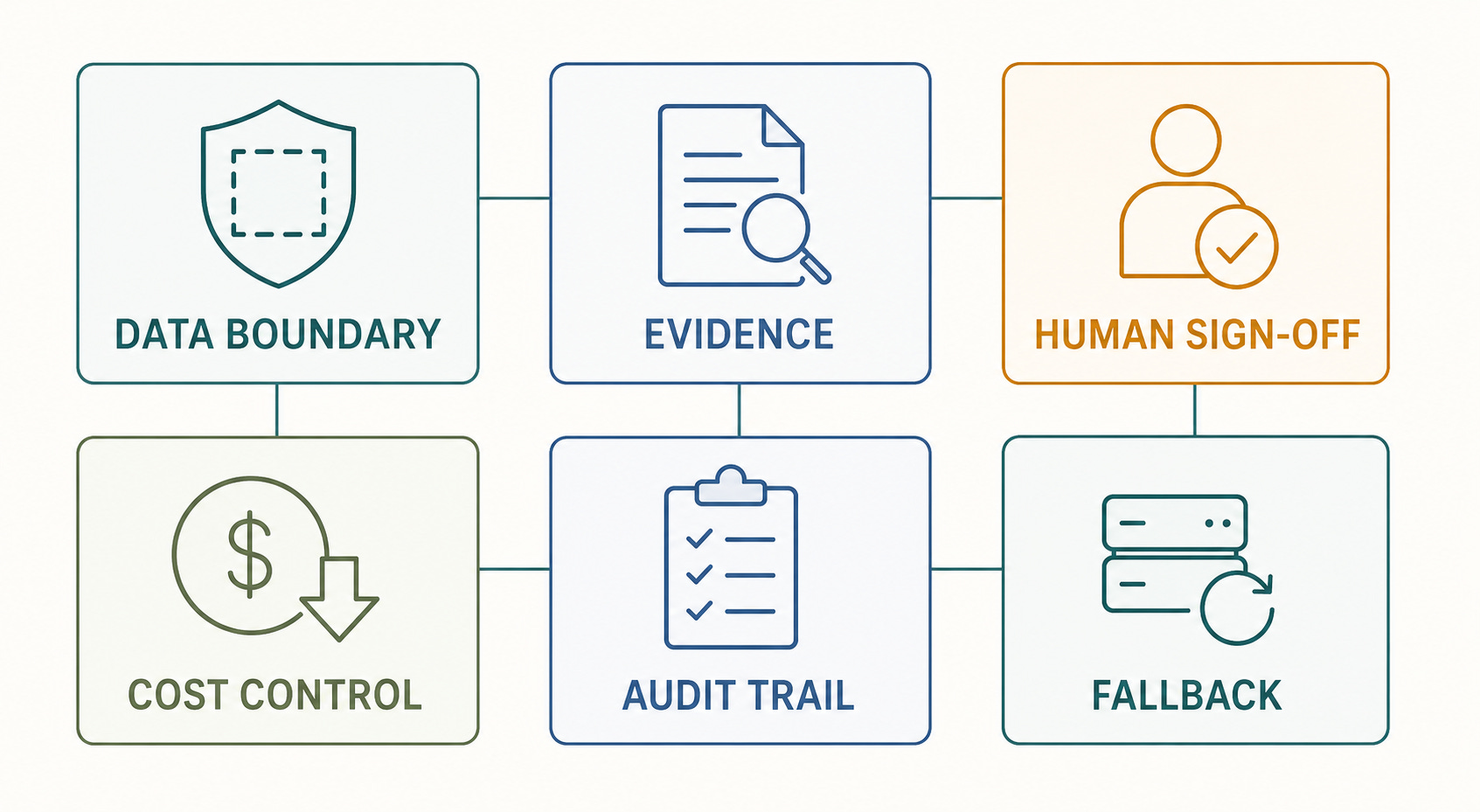
A model running locally still needs governed access to the right data. A detection it drafts still needs evidence, testing, change control, and monitoring. A vulnerability it flags still needs triage and remediation. An autonomous action still needs an identity boundary, an audit trail, and a safe failure mode.
The durable advantage is therefore likely to sit in integration depth: the quality of the data, the clarity of the workflow, and the speed at which a human can verify what the system proposes.
AI Can Still Democratize Security
Phil Venables, a former Google Cloud CISO, offered the strongest optimistic case in CSO's reporting. AI can package expertise and automation that many organizations could never afford to build internally, he argued. Red teaming, software security, third-party risk, insider risk, compliance, and security operations could become available at a lower unit cost.
That path is plausible if products absorb the complexity instead of exporting it to the customer.
A resource-constrained organization does not need a box of model parts. It needs a bounded capability with sensible defaults, protected data handling, visible evidence, predictable costs, and a clear line of human responsibility.
The democratizing product is not an AI model. It is a governed security outcome delivered with limits and proof.
Build One Loop Before Building an AI Program
Small teams do not need to recreate AWS. They do need to avoid treating model access as the finish line.
Start with one workflow where the inputs and decision boundary are already understood: translating a confirmed red-team finding into a draft detection, enriching a known alert, or prioritizing a vulnerability queue. Then make the control surface explicit:
define which data the model may read and where that data can be retained;
require evidence for material claims and preserve it with the case;
keep a named human approver between a recommendation and production;
measure cycle time, correction rate, and cost per completed decision;
retain a manual path when the model, vendor, or integration is unavailable.
The test is not whether the assistant can produce an impressive answer. It is whether the workflow reduces time to a defensible decision without weakening privacy, oversight, or reliability.
The Divide Will Be Measured in Outcomes
Two organizations may soon be able to call models with similar capability. One may connect that model to trusted evidence, route its output through human review, and deploy the result through a measured pipeline. The other may receive a plausible paragraph and another item to verify.
That is the divide security leaders should measure.
If AI reduces the time between evidence and a sound defensive decision, it can help teams climb above the security poverty line. If it requires scarce specialists, unpredictable spend, weaker data boundaries, and constant correction, it becomes another technology that rewards the organizations already best equipped to use it.
Model prices may fall quickly. Operational readiness will not.