


Cisco Talos linked one exposed toolkit to Overlord RAT, the Good Game infostealer and a cryptocurrency clipboard hijacker; its North Korea assessment is low confidence.
Cisco Talos found an exposed staging server that laid out a working malware operation in unusual detail. The server held lure-building tools, three initial-access formats and several payloads associated with a threat group Talos tracks as UAT-12643.
The payloads did different jobs. Overlord gave an operator remote control. The Python-based Good Game stealer collected browser data, wallet material, gaming sessions and selected files. A separate clipboard hijacker replaced copied cryptocurrency addresses.
The infrastructure was divided too. Overlord retrieved encrypted command-and-control locations from Solana transaction memos. Good Game uploaded stolen archives to GoFile, then used a Discord webhook to tell the operator where to collect them.
CodeAIntel assessment: the useful fact is how the campaign assigned different services to different malware functions. Solana supported Overlord’s address discovery; GoFile and Discord supported Good Game’s archive transfer and notification. Investigators should join those events only when endpoint telemetry shows the relevant components or activity on the same system.

Talos found UAT-12643 using Solana memos for Overlord C2 discovery and Good Game using GoFile plus Discord for archive storage and notification.
The exposed server showed a working kit
Talos says the staging server exposed the actor’s payloads, service ports and a script for generating malicious Windows shortcuts. The observed initial vectors included weaponized LNK files, HTA files and XML project files. Each could start malicious code through a legitimate Windows component.
Talos observed the tooling and execution paths; delivery to victims remained unobserved. A shortcut on disk, a downloaded payload and a successful infection are different evidence states.
Once executed, the arsenal covered several outcomes. Overlord offered surveillance, file access, command execution, plugin delivery and a reverse proxy. Good Game harvested data from browsers, wallets, gaming launchers and selected personal files. The clipboard hijacker targeted cryptocurrency transfers by substituting an attacker-controlled address for one copied by the user.
Talos found the three payload types together, but they should not be collapsed into one mandatory infection sequence. An investigator has to determine which component actually ran on each host.
Solana carried the next C2 location
Overlord’s discovery mechanism used the Solana Memo Program as a durable place to publish encrypted server locations. The RAT queried transactions associated with an actor-controlled wallet, inspected the memo data and selected the value matching its expected format. The operator could publish a new location in another transaction, and deployed implants could pick it up during their next discovery cycle.
That design gives the address book a different failure mode from the server itself. A command server can disappear while the lookup method remains available. A replacement address can be published without rebuilding or redistributing the RAT.
Solana carried C2 locations. GoFile and Discord handled the stolen archive and its alert. That distinction keeps the evidence honest and tells defenders which network events belong together.
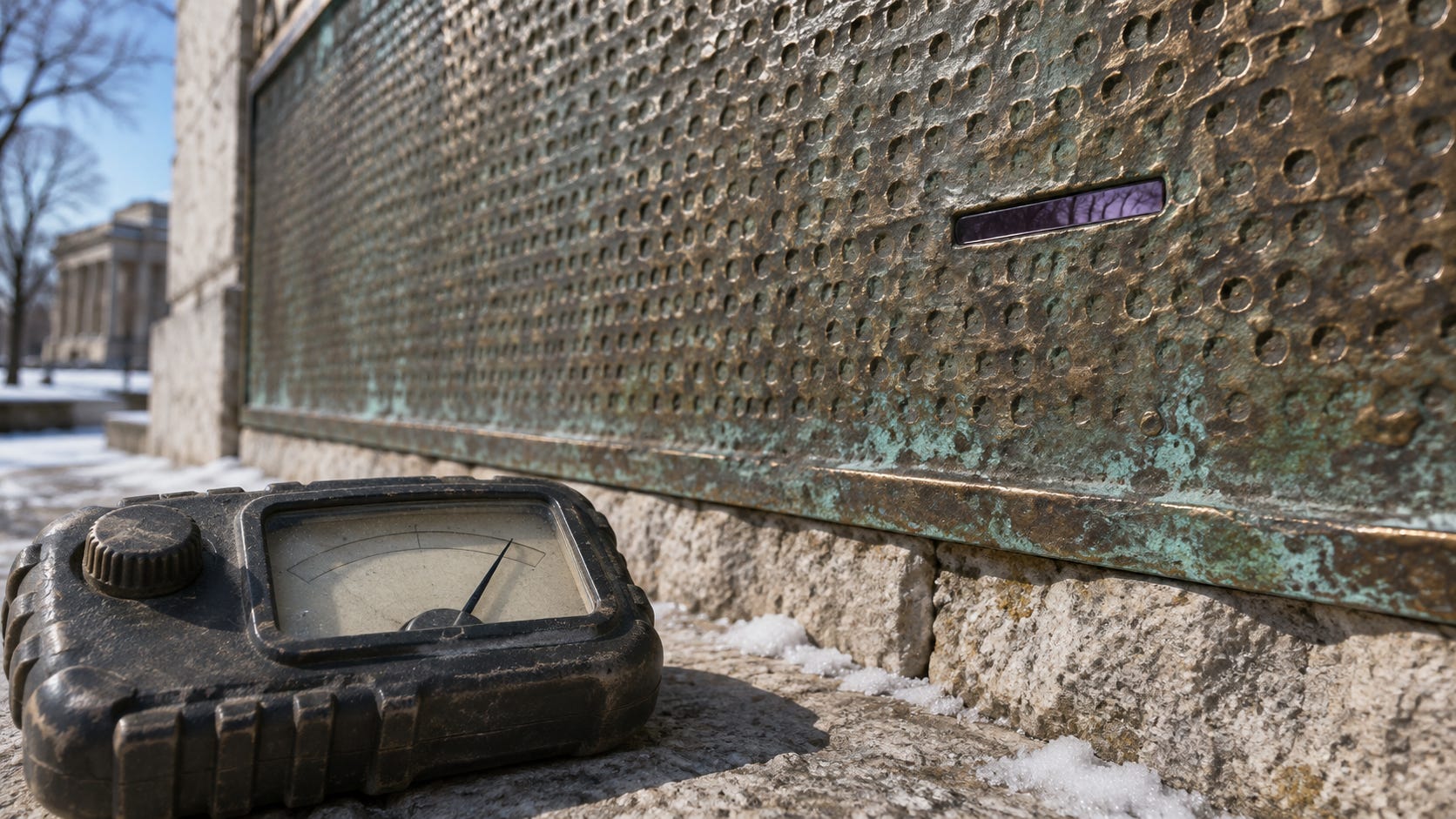
Overlord RAT queried Solana transaction memos for encrypted C2 URLs.
The archive and the alert went elsewhere
Good Game gathered its output into a compressed archive. According to Talos, the stealer uploaded that archive to GoFile and received a direct download link. It then sent a Discord webhook notification containing a machine fingerprint and the link.
The notification let the operator triage an infected system before retrieving the full archive. The storage service held the stolen material; the webhook carried the pointer. Neither service performed the initial execution, and the Solana lookup was part of Overlord rather than Good Game’s exfiltration path.
This is where a single-domain response loses context. A block on the upload service may stop one transfer. A webhook alert may still show that collection completed. A Solana query may belong to the RAT’s address discovery even when no stolen archive followed. Only shared host telemetry and timing can make those observations one case.
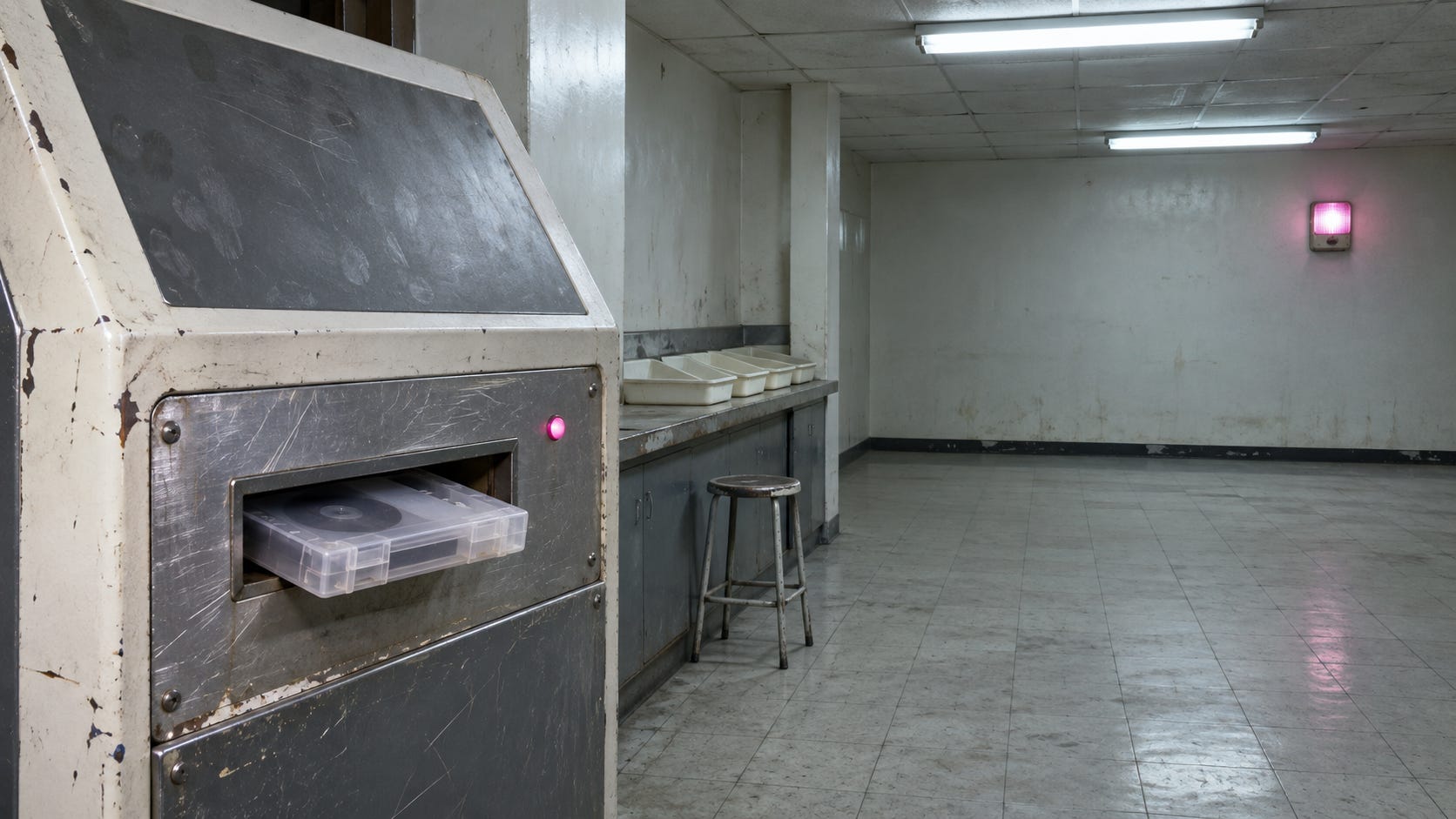
Good Game uploaded archives to GoFile and sent a separate Discord webhook notification with a machine fingerprint and download link.
The lures point to several audiences
The file names and decoys pointed toward several possible audiences. Talos found a financial-statement lure, a trojanized Viber installer, MicroSIP-themed payloads and capabilities aimed at cryptocurrency and gaming accounts. The stealer also searched for file names in English, French, Spanish and Portuguese.
Taken together, those artifacts support potential targeting of finance staff, VoIP users, cryptocurrency holders and gaming-platform users, including people in Europe. Talos describes potential victimology; confirmed identities, lure execution and later use of stolen access remain outside the published evidence.
Talos assesses with low confidence that UAT-12643 is aligned with North Korea, based on overlaps in tools and techniques. It also notes that Overlord and Solana-based hosting have appeared in other actors’ campaigns. The attribution should remain attached to that confidence level; the host and network artifacts are actionable without making it stronger.
Start at the host, then reconnect the services
Talos published indicators and detection coverage for the loaders, Overlord, Good Game and the clipboard hijacker. A match should first identify the affected Windows host and the component that ran. Preserve the relevant execution evidence, contain the machine and establish the likely infection window before treating every capability in the exposed toolkit as present.
Next, line up outbound activity from that host. Solana RPC traffic can belong to Overlord’s C2 discovery. A GoFile upload can mark archive transfer. A Discord webhook can mark operator notification. Time, process ancestry and the source host are what connect those events; the popularity of the services makes a domain name alone weak evidence.
Then scope the material the confirmed component could reach. Browser sessions, wallet data, gaming accounts and selected files call for different containment. Invalidate exposed access and review subsequent account activity after the malware source is removed. A stealer capability is evidence of collection risk, while successful replay, account access and financial loss require their own proof.
Talos published host and network indicators for the loaders, Overlord RAT, Good Game stealer and clipboard hijacker.
The seams are the operation
UAT-12643 did not need one bespoke platform to perform every function. The exposed kit used a public ledger to find command infrastructure, a file service to hold stolen archives and a webhook to announce them. Each component became an incident when its activity appeared on a victim’s computer; a responder still has to prove which activities occurred together.
That makes the host the anchor for the investigation. Find what executed there, rebuild the service sequence from its telemetry, and close only the access the evidence shows was exposed.