


Cisco Talos found one Windows stealer sample that collects credentials, enriches them with account context, and can ask a language model which access deserves an operator’s attention first.
Cisco Talos documented a Windows infostealer that can do something more consequential than empty a browser profile: it can organize stolen access into a ranked dossier for the operator.
The malware calls itself VOLTA-AUTODOXER. Talos published its analysis on October 31 after reverse-engineering a self-deleting sample first seen on October 11. The sample targets browser credentials, cookies, payment-card data, cryptocurrency wallets, communications sessions, Microsoft OAuth tokens, SSH material, cloud configuration files, Wi-Fi profiles and screenshots.
Then the collection changes shape. VOLTA can reuse stolen sessions to add context, assemble a structured identity report and submit that report for an optional language-model assessment. The output is designed to rank assets by likely value and evaluate the victim’s security habits.
The theft happens before that model call. The new capability is prioritization: helping an operator decide which access deserves attention first.

Talos found that VOLTA collects credentials, session material and cryptocurrency-wallet data, then can send a structured evidence bundle to a language model for asset prioritization.
The theft now arrives with a queue
Infostealer response often begins with a list: passwords, cookies, tokens, wallets and files that may have left a device. VOLTA adds an operator-facing layer above that inventory.
According to Talos, the sample can use captured sessions to query accounts for additional context. Examples in the analysis include searching email receipts to corroborate an address, retrieving food-delivery history, enriching a communications profile and valuing a gaming inventory. It then writes the combined material into a local identity report.
If the optional model configuration is present, that report is serialized and sent through OpenRouter. The response is stored in a separate analysis file and can leave the device with the identity dossier. The sample contains a default model plus two fallbacks, with logic that moves to another model when the response appears to refuse the request.
That design addresses a criminal bottleneck. A large collection still has to be examined, connected to identities and sorted for possible value. VOLTA’s model stage is built to reduce that human review.
My assessment is straightforward: automated victim prioritization can shorten the distance between indiscriminate collection and selective abuse. A cloud administrator’s token, a developer’s SSH key and a consumer account session may sit in the same stolen archive. The dossier tells the operator where to look first.
Talos analyzed one sample. Its report provides no victim count, delivery method, measured campaign, named operator or confirmed successful model response. Those limits cap any claim about prevalence; the artifact establishes the collection and prioritization logic present in the sample.

Talos reports that VOLTA can reuse stolen authenticated sessions to search purchase receipts, pull food-delivery history and enrich account profiles before its optional model-assisted assessment.
Four stages, four different questions
VOLTA is a useful reminder that an infostealer incident contains several evidence states. Collapsing them into one word—compromised—makes response slower and attribution weaker.
Infection: Did the executable run on a particular device? Talos provides sample details and a first-seen date, but no delivery chain or population of confirmed infected systems.
Artifact: What did the malware attempt to collect, and what local evidence remains? The sample contains defined collection routines, creates reports and archives, and may leave a timestamped debug log.
Access: Which captured credentials, sessions, tokens or keys were valid when collected? Capability analysis cannot answer that for a specific organization. Identity-provider, cloud, source-control, VPN and endpoint records have to establish it.
Impact: Was any access successfully used, and what action followed? That requires downstream evidence such as sign-in records, token use, repository activity, mailbox access, wallet movement or administrative changes.
An observed stealer artifact establishes neither a current credential nor a successful account intrusion by itself. A valid token still has to be connected to observed use. Observed use still has to be tied to an identity and an impact. Actor attribution sits beyond all three and needs its own evidence.
This sequence gives defenders a repeatable investigation order: prove execution, scope collection, test access and trace impact.
The missing executable can still leave the scope
VOLTA is designed to delete itself, which creates an uncomfortable operational problem. A responder can arrive after the visible payload is gone and mistake absence for containment.
Talos points to a timestamped VOLTA harvest log in the user’s application-data directory that may record what the malware collected and whether the model call succeeded. That file could become the most important scoping artifact on the endpoint. Preserve it privately with the surrounding endpoint timeline; its contents could themselves be sensitive.
Other observable material includes the identity and analysis files, staged archives, unusual access to browser stores, and Chrome launched in headless mode by a process with no approved reason to do so. Talos recommends restricting which applications may launch Chrome that way because the sample uses the path while attempting to bypass Chrome’s App-Bound Encryption.
A clean malware scan cannot reverse data collection. Reimaging a device cannot revoke a session already copied from it. Password rotation cannot invalidate every OAuth token, SSH key, cloud credential or application session.
That is why the debug log and endpoint telemetry matter: they can turn a generic rotation order into a defensible validation queue.

Talos says the main executable may delete itself while a local timestamped harvest log can record what was collected and whether the language-model call succeeded.
What defenders should invalidate first
Contain the suspected device and preserve the execution evidence before cleanup. From a separate trusted system, revoke potentially exposed sessions and tokens, then change affected passwords. Treat SSH keys, cloud configuration material and OAuth access as separate credential classes with separate revocation paths.
For each exposed identity, rank validation by privilege, freshness, reach and revocation lag. Then answer:
Accepted applications: Which services accepted its sessions or tokens?
Reach: Which cloud projects, repositories, mailboxes or administrative planes were inside its authorization boundary?
Observed use: Did any service record activity from a new device, network or automation client?
Persistence changes: Were recovery methods, passkeys, forwarding rules, access keys or trusted applications changed?
Unused artifacts: Which credentials were present on disk but never used after the suspected execution time?
Cryptocurrency recovery needs its own boundary. If a seed phrase existed in plaintext on the affected device, Talos advises treating that wallet as exposed and moving assets to a new wallet created from trusted equipment.
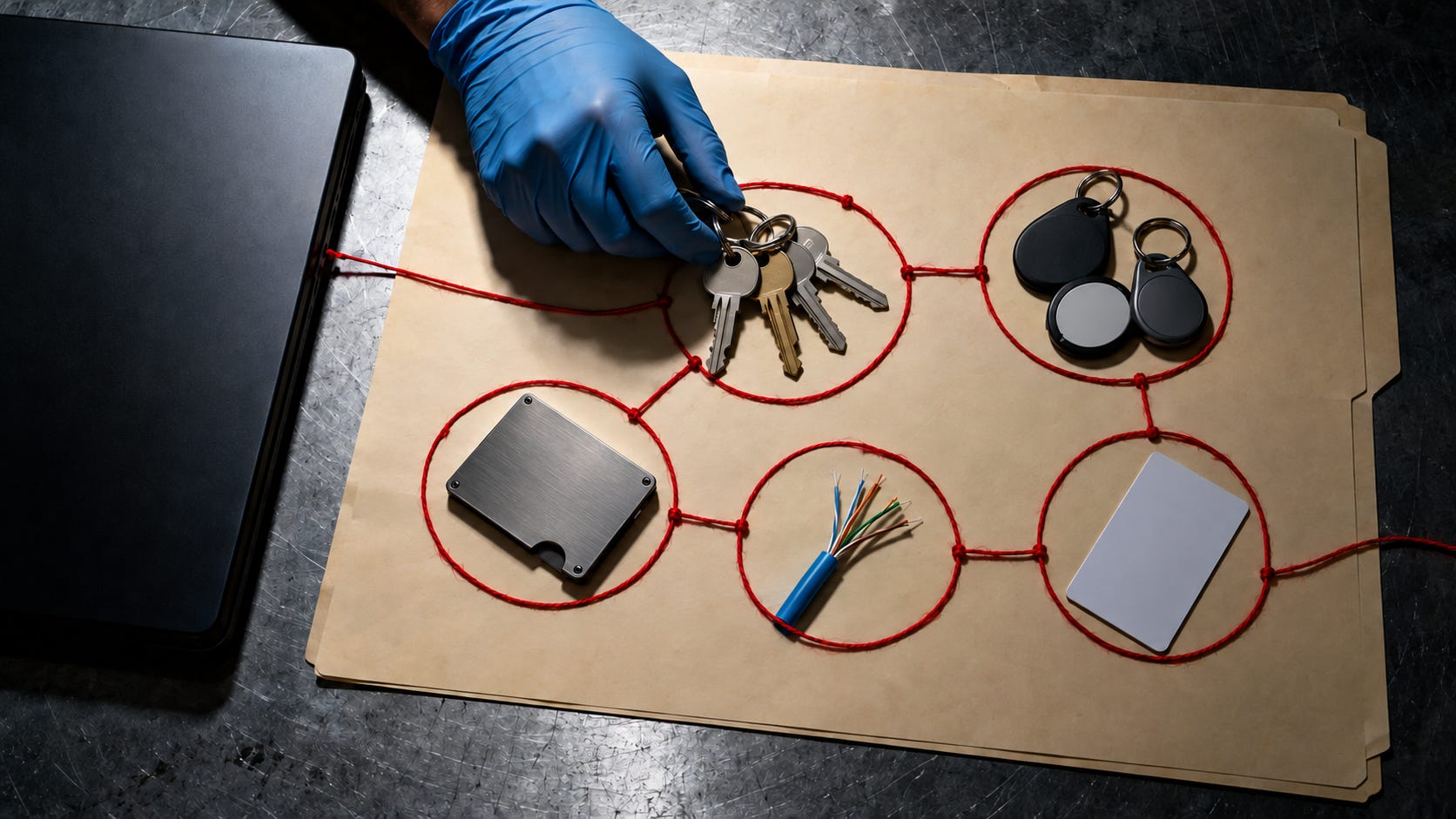
Talos identifies the surviving local log as a scoping artifact
VOLTA’s model integration will attract attention because it invokes commercial AI services. The defender’s urgent work begins earlier. The device may already have surrendered the access material before the model evaluates any of it. Response therefore has to invalidate both the stolen artifacts and the paths those artifacts could open.
When a stealer starts sorting its own haul, defenders should rank their validation queue by the harm each artifact could unlock and the time required to revoke it.